Q&A with Chef Philipp Weiler: Exploring Culinary Excellence
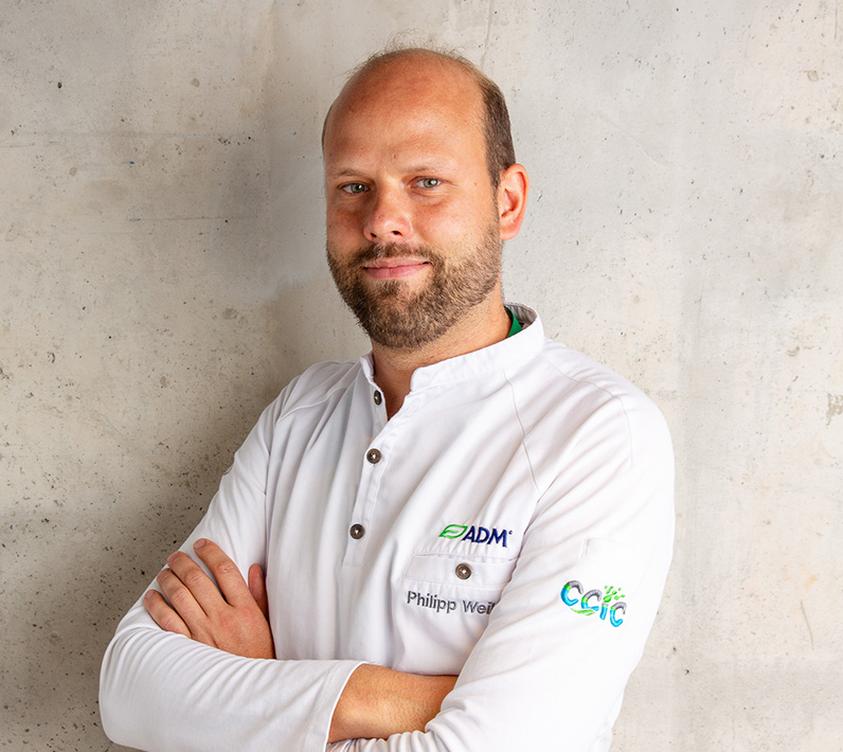
Chefs are at the forefront of food innovation, shaping and influencing what appears on shop shelves. With an ever-evolving food landscape, these culinary experts are more important than ever to help address consumer behavior shifts, challenges and trends, while pushing boundaries in taste and texture. Chef Philipp Weiler, an expert development chef for ADM, thrives on the dynamics and complexity of the food industry.
From a young age, Philipp's love of food was more than a hobby—it was a calling shaped by family traditions and the joy of bringing people together around the table. After completing an apprenticeship at the prestigious Kempinski Hotel in Berlin and being mentored by Michelin-starred chefs, he honed his skills within the kitchen and culinary space before studying food and nutrition. In his role at ADM, Chef Philipp thrives on collaboration, uniting his culinary colleagues with the protein, flavors, science and technology teams to drive innovative food developments and new possibilities for ADM's customers.
We asked Philipp about his role at ADM and within the culinary world, as well as what emerging trends he sees impacting the food and beverage industry in the EMEA region.
Can you share more about your food industry and culinary journey?
My journey in the food industry began with the joy I felt during the holidays when my grandparents would cook. Those moments of magic, created by the power of food, inspired me to bring similar experiences to others. I've always aimed to create those magical moments for myself, for diners and now for my customers through my work at ADM. It's a special way to bring happiness to people.
I started my career with an apprenticeship in 2005 at the Kempinski Hotel in Berlin, where I trained in classic French technique. I then worked with several Michelin-starred chefs, immersing myself in the different aspects of the culinary world, from plate design to molecular gastronomy. My growing interest in the theory of food led me to study food and nutrition at TU-Berlin (Technical University).
During university, I co-founded a startup to revolutionize popsicle production using liquid nitrogen. We developed a machine and patented the process to speed up production. This experience taught me the vital role of chefs in product development, brand building through storytelling and understanding customer needs. With the determination and inspiration to help shape the future of the food landscape, I joined ADM.
Customers demand fast solutions and we must be ready to deliver. The challenges are diverse—one day, you might be working on a plant-based sausage alternative, and the next, formulating a plant-based prawn or salmon alternative that mimics the texture of the traditional product. My time in the kitchen taught me speed and adaptability, skills equally essential at ADM that help accelerate innovation.
What is unique about ADM's culinary team?
Our culinary team stands out for several unique aspects. What makes the team special first and foremost is the diversity of expertise around the table — chefs working alongside flavorists, color specialists, protein developers and marketers. When we conduct tastings or development workshops, customers don't just get one perspective; they get critical input from multiple disciplines. By collaborating closely with food scientists, nutritionists and product developers, we create food and beverage products and solutions that are innovative, delicious and nutritionally balanced.
Customization is also a hallmark of our work. We offer tailored culinary solutions to meet the specific needs of our customers by developing tantalizing flavors, textures and products catering to various dietary preferences and tastes. This includes creating a new flavor profile for a regional market or adapting a product to meet dietary restrictions.
It's also critical to stay ahead of food trends and consumer preferences, which we do through extensive market research and analysis (see more in our 2026 Global Culinary Trends report). This insight-driven approach enables us to anticipate and respond to emerging trends with innovative culinary solutions, ensuring that ADM remains a leader in the food industry. By understanding the evolving tastes and needs of consumers, we can create products that are not only current but also forward-thinking, positioning us at the forefront of the culinary world.
What makes Berlin such a strategic and creative hub for culinary development? How has the facility expanded, and what recent projects coming out of Berlin are you especially proud of?
Berlin is a reflection of global cuisine — culturally diverse, experimental and deeply rooted in tradition while remaining open to reinvention. You can experience Japanese, Thai, Indian, Middle Eastern and modern European cuisines within a few streets of each other. It's also a city that embraces both craftsmanship and disruption. You see restaurants cooking over open fire, bringing back raw, elemental techniques, while others explore refined Japanese cutting techniques or complex stock-making methods to create deeper umami profiles. This diversity and contrast of tradition meeting modernity mirrors what we aim to do at ADM.
Furthermore, we have expanded our technical capabilities in Berlin — including our ice cream lab, which allows us to emulate industry standards and accelerate indulgent product development from idea to application. I’m especially proud of our work in bridging the gap between functionality and indulgence. Through this new lab, we developed an electrolyte-enriched ice cream to support hydration during hot summer months. We also created a low-calorie ice cream with fewer than 100 calories per 100g using a combination of ADM ingredients, including ADM/Matsutani LLC's Fibersol® prebiotic dietary fiber, which helps support sugar reduction and mouthfeel, along with coconut oil and popcorn flavor. Achieving indulgent mouthfeel with that nutritional profile was a great technical success.
We're also excited by the development of hybrid proteins emerging as a high-growth sector, where robust demand continues to drive innovation. Specifically, we're combining ADM's quality, European-sourced soy protein with vegetables to deliver differentiated texture and flavor experiences. For example, in a hybrid protein ball, our clean-tasting, highly functional textured soy protein can absorb the moisture and flavor profiles from vegetables, providing an enjoyable mouthfeel and sensory experience. We're also exploring blends like spinach and truffle, mushroom and walnut and artichoke and basil. The goal is to move beyond imitation of traditional meat and towards new, innovative formats.
We've also begun developing a new range of sauces to help our customers master the classics while exploring what comes next. Starting with fundamentals like BBQ — particularly important given evolving EU legislation around no liquid smoke in sauces — we're building a strong reformulation base before experimenting with more unexpected combinations like matcha and onion.
What's exciting you most in the culinary world today, and how does that inspiration show up in your work with ADM's customers in EMEA?
The strongest influence I see right now is Japanese cuisine. This includes not only ingredients like miso and matcha, but also methodologies like precise fish-cutting techniques, deeply layered stock preparation and a disciplined respect for umami. Additionally, for plant-based proteins, mushrooms are having a major renaissance. They're fast to produce and rich in umami flavor, making them ideal for both plant-based and hybrid applications.
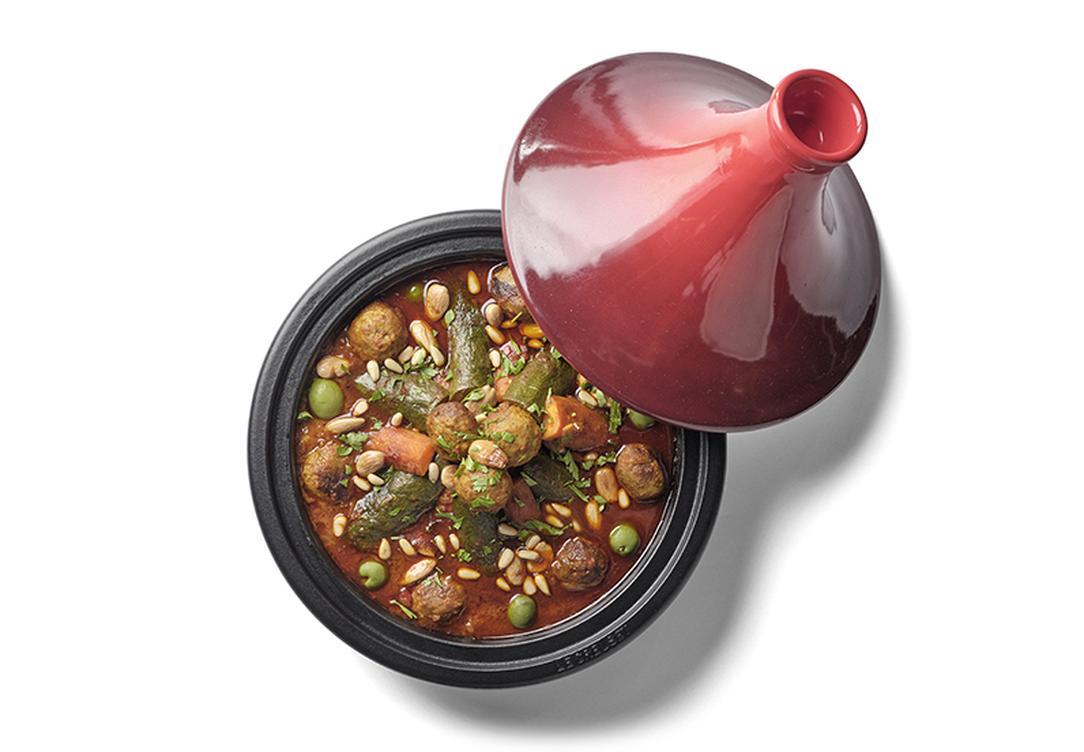
We have also used AI to accelerate market and culinary insight evaluation. Through AI, we have scanned over 300 Michelin-starred restaurants in EMEA, confirming two key patterns: (1) Increased focus on seafood, often replacing meat, including fish-plus-soy or -pea protein hybrids, and (2) strong Asian, particularly Japanese, influence across menus.
There's also a resurgence of theatrical, fire-based cooking — chefs using grills and open flames to create an experiential, almost primal connection to food. This aligns with the broader "Experiencing the Experience" trend in our Global Culinary Trends report: diners want story, craft and emotion, not just a meal.
We're translating these inspirations into scalable solutions for customers — whether that's seafood-forward flavor systems, deeper umami bases or hybrid proteins that deliver strong bite and mouthfeel.
Out of the five identified Global Culinary Trends, which do you see most applying to the EMEA region? How have consumer expectations in EMEA changed, and how has ADM adapted?
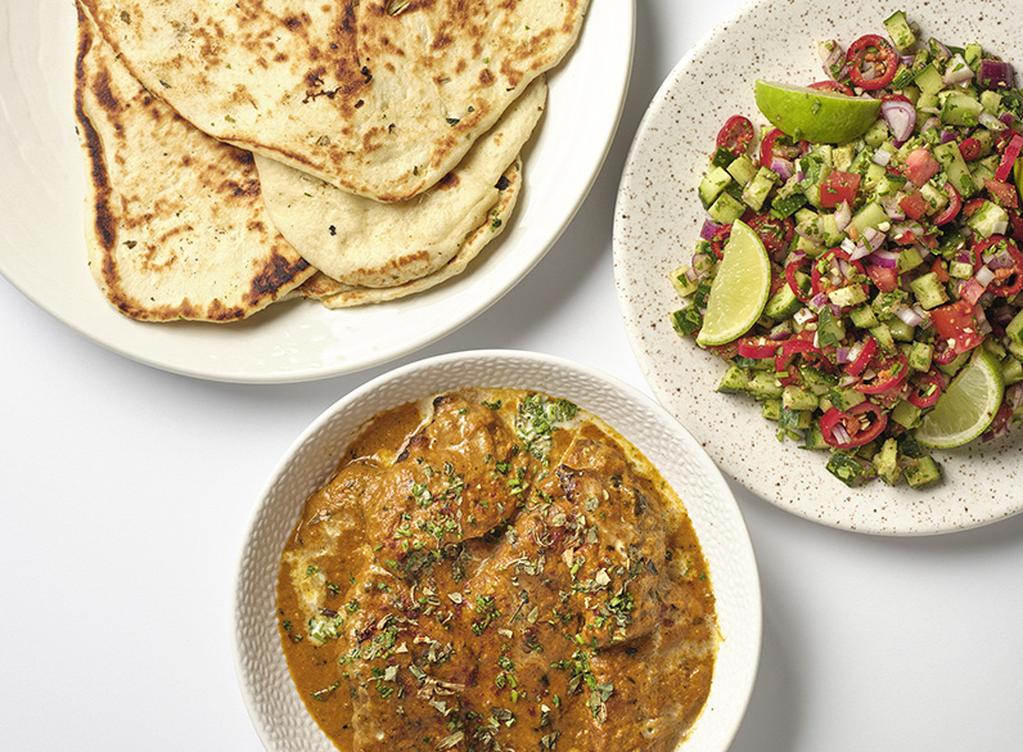
"Third Culture Cuisine" and "Big-Impact Bites" are the two trends I see standing out the most within EMEA. With such varied cultural backgrounds in the population, "Third Culture Cuisine" is shown through flavor crossovers and identity-driven food storytelling. For example, ingredients and flavors like tahini, rooibos, miso and more appear in unexpected contexts. Think tahini with caramel for nutty, slightly bitter desserts or ice cream; rooibos and chai spices for elevated aromatics in beverages or creamy applications; miso with caramel or chocolate for umami-plus-sweet innovations; and pistachio with matcha, which is inspired by on-trend Dubai chocolate with the addition of matcha. What’s important is authenticity within innovation—the storytelling behind the flavor matters just as much as the taste itself.
At the same time, consumers want bold, memorable experiences, as well as flexibility and alignment with their wellness goals. That balance between indulgence and intention defines much of what we're seeing. Manufacturers can leverage "Big-Impact Bites" through portion-controlled "make-your-own" meal kits with health-forward positioning. These type of kits hold strong consumer interest, and amping up the flavor may entice even more trials and repeat purchases. Beyond meals, there's also a visible increase in flavorful non-alcoholic pairings — juices, teas and functional beverages — offered alongside fine-dining experiences. Wellness no longer means consumers need to compromise.
At ADM, we respond to shifting demands by tapping our teams of cross-functional experts to provide crucial feedback and direction throughout the development and innovation process. With our chefs, flavorists, protein developers and marketers coupled with our quality sensorial and nutritional solutions, we achieve a level of refinement that ensures the product is both technically sound and culturally relevant to resonate with consumers in EMEA today and tomorrow.
Discover more about ADM's culinary and savory capabilities here.